Showing posts with label Africa. Show all posts

Monday, April 11, 2016

Malaria and Mosquito-Born Diseases: How Do They Catch on?

Under what circumstances and conditions does a mosquito-born disease initiate and latch on in an affected region? It has to be brought to the region from somewhere. This is often the case with infectious diseases, and they spread like wildfire in new areas where the local population does not have the immunity, drugs or infrastructure in place to cope with it.
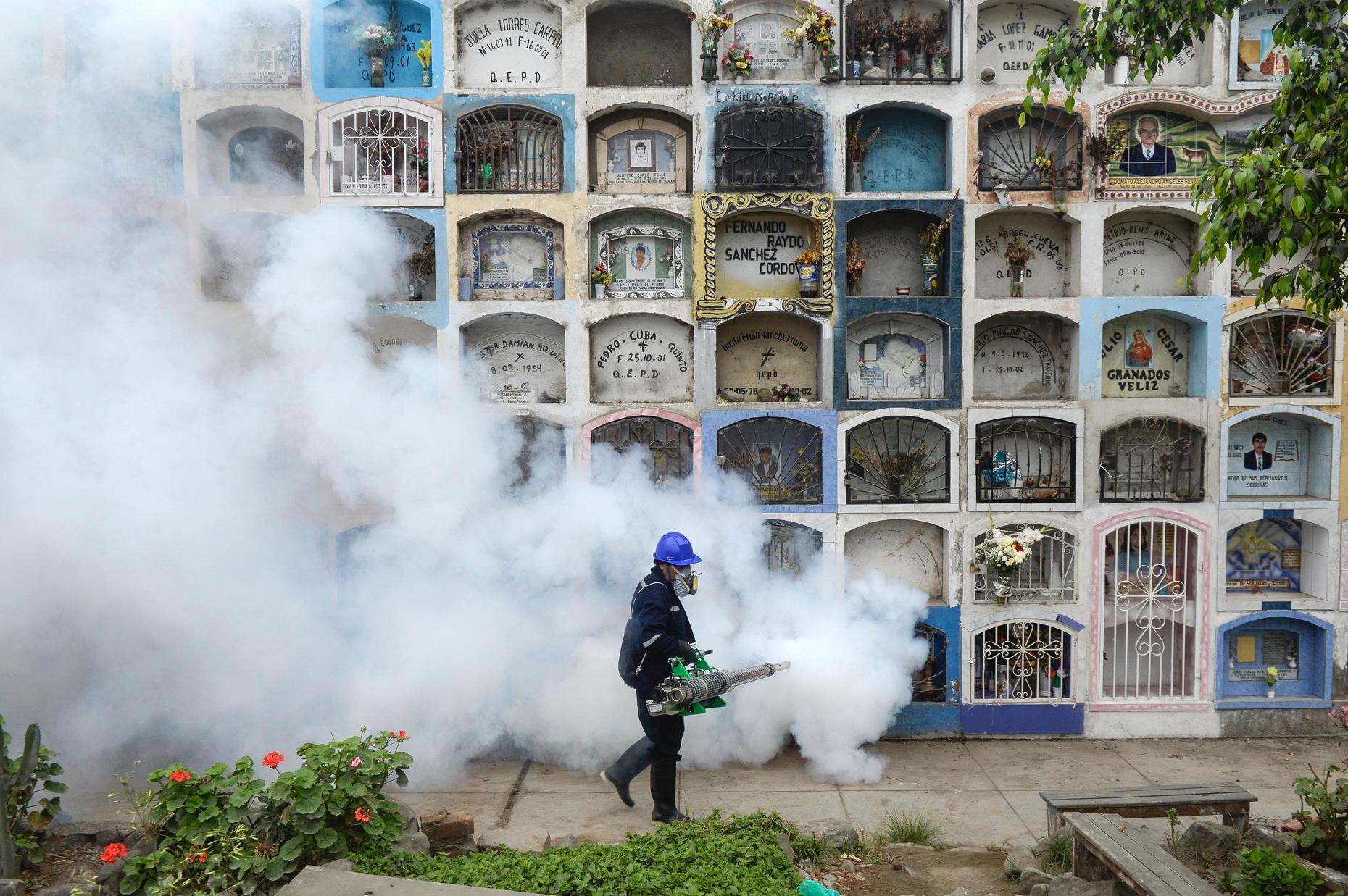
Workers wait before spraying insecticide aimed at preventing the spread of Aedes aegypti mosquito. 


Zika, became a crisis in Brazil in early 2015. The first cases are thought to have come to country through traveling individuals. Genetic analysis of the strains from cases in Brazil were found to be similar to those from outbreaks in Pacific Island nations. One possibility is that an individual carrying it came from Chile, as exposure to the disease was found in a returning individual on vacation from Easter Island. Another possibility is that the virus was introduced in Rio de Janeiro following a canoe race, in which competitors from Pacific Islands were present. 
In Sub-Saharan Africa, for example, where malaria has long since taken hold, these factors describe the affected regions perfectly. They lay a solid foundation on which diseases can build a rampant and lasting presence. For regions of the world where malaria is endemic, the presence and alignment of the layers is glaringly obvious. This raises concern for parts of the world that may be extremely susceptible to the spread of current diseases or to the introduction of new diseases that could take over in a short span of time. Scientists are looking for trends in areas hit the hardest by mosquito-borne diseases in order to create solutions to existing problems and hopefully prevent crisis in the future.

The following excerpt is from an article detailing the multi-level array of factors that contribute to the ideal environment in which mosquito-borne diseases like malaria thrive. For the whole article by Dr. Vittor from the University of Florida School of Medicine, click here.

Zika and Malaria: the Dangerous Correlation

Under what circumstances and conditions does a mosquito-born disease initiate and latch on in an affected region? It has to be brought to the region from somewhere. This is often the case with infectious diseases, and they spread like wildfire in new areas where the local population does not have the immunity, drugs or infrastructure in place to cope with it.
Workers in Rio de Janeiro, Brazil ready to begin spraying insecticide to prevent the spread of Aedes aegypti mosquito, which carries the Zika virus. From https://theconversation.com/explainer-where-did-zika-virus-come-
from-and-why-is-it-a-problem-in-brazil-53425
Zika, for example, became a crisis in Brazil in early 2015. The first cases are thought to have come to country through traveling individuals. Genetic analysis of the strains from cases in Brazil were found to be similar to those from outbreaks in Pacific Island nations. One possibility is that an individual carrying it came from Chile, as exposure to the disease was found in a returning individual on vacation from Easter Island. Another possibility is that the virus was introduced in Rio de Janeiro following a canoe race, in which competitors from Pacific Islands were present. 


In Brazil, where Zika is taking hold, these factors describe the affected regions perfectly. They lay a solid foundation on which diseases can build a rampant and lasting presence. For regions of the world where malaria is endemic, the presence and alignment of the layers is glaringly obvious. This raises concern for parts of the world that may be extremely susceptible to the spread of current diseases or to the introduction of new diseases that could take over in a short span of time. Scientists are looking for trends in areas hit the hardest by mosquito-borne diseases in order to create solutions to existing problems and hopefully prevent crisis in the future.

The following excerpt is from an article detailing the multi-level array of factors that contribute to the ideal environment in which mosquito-borne diseases like Zika thrive. For the whole article by Dr. Vittor from the University of Florida School of Medicine, click here.

Friday, March 11, 2016

Very Low Income Households in Malawi Carry a Disproportionate Share of the Economic Burden of Malaria

Malaria takes an economic toll for several reasons. The cost of prevention and treatment as well as the wages lost due to illness greatly burden thousands of people. From a study about the economic impact of malaria in Malawian households, it was evident how disproportionately high the toll is on the poorest families. Stagnated economic growth and abject poverty are common in countries highly affected by malaria.  

Tuesday, February 23, 2016

Cerebral Malaria: When it Goes Too Far

Malaria is diagnosed by looking for parasites in a drop of blood smeared on a slide under a microscope.
When I woke up in the middle of the night and proceeded to throw up every thirty minutes on the the minute, developing a high-grade fever and severe dehydration, it took no more than a finger prick and a look at the blood smear under a microscope to see the parasites in my blood. The diagnosis ranges from 1-5, 5 being the most severe and meaning that there were 5 parasites seen on the slide from a single drop of blood. Within 5 hours of showing symptoms, I had a blood smear, revealing level five. Immediately, I was given an IV to administer high dose anti-malaria drugs, anti-nausea, fever reducers and pain medicine. I was in good hands, and recovered fully in less than a week.

Rise in Immunity Spurs International Concern

"Malaria is still a devastating disease, with nearly 250 million cases and more than one million deaths every year. Mosquitoes have developed resistance to existing insecticides and there is evidence of emerging resistance by the parasite to the drugs used to treat the disease.”-Professor Steve Ward, Deputy Director, of LSTM reports
Image result for anopheles

Monday, February 08, 2016

Staying Safe While in Danger

Before traveling to Africa for the first time, my parents were very concerned about the risks of contracting malaria and wanted to ensure our family’s safety. We asked for advice about how to prevent and treat malaria, and now I'm extending my recommendations, after years of travel experience. 
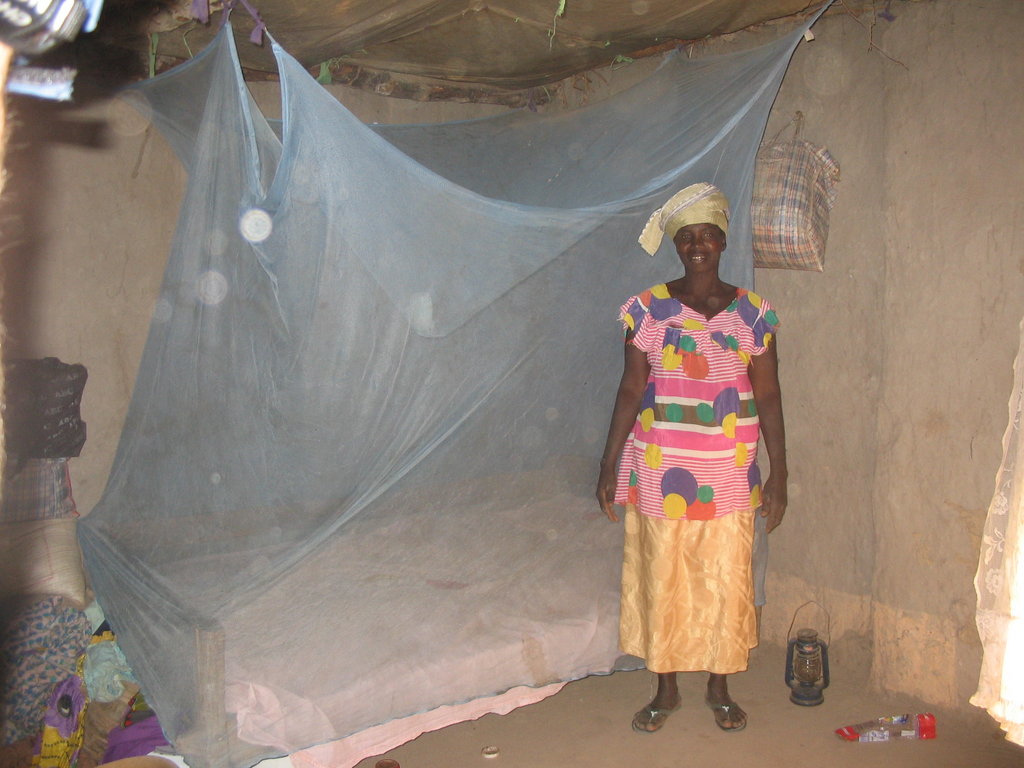
  1.  Prevent mosquito bites between dusk and dawn. This is when the mosquitoes that carry malaria bite. Stay inside, wear bug repellent (DEET), and sleep under a mosquito net.
  2. Take prophylactics: Doxycycline has fewer side effects than Malarone. Make sure to take the full course of the medication, starting before you travel and continuing well after your return.
  3. Take medicine with you. Depending on where you are traveling, it may be in short supply. Quinine and Coartem are pretty common and will be your best bets.

I've spent time in high-risk areas where malaria is extremely rampant. So much so, in fact, that I even contracted the disease myself, despite taking certain precautions. As I learned, hyper-attention to detail makes a huge difference. I got malaria when I was volunteering for a month at the Chitokiloki hospital in rural Zambia. This is arguably the best place to get sick, as there is readily available medicine as well as medical staff who treat the disease every day. The hospital is overflowing with malaria patients during the rainy season.
Amazingly, malaria is totally curable. You have to get to medication early, however, and this is one of the major challenges in rural areas, as it is modes of transportation are slow and unreliable.

Thursday, February 04, 2016

Malaria: A Huge Global Challenge. How will it be solved and how can you be involved?


Malaria is a very real threat to millions of people every day. One child dies per minute. The disease is completely treatable. Learn the details of the international issue.
Thousands of visitors are exposed to malaria risk factors each year. Learn how to stay safe!
Are you looking to learn about the cutting edge research currently underway to combat malaria and wondering how scientists aim to eradicate it? Vaccine development, policy programs and treatment campaigns are of critical importance.
Are you in pursuit of information regarding the toll malaria has taken in over the years, not just on those who contract the disease but on economies, governments, and the global community? Statistics and numbers can ignite conversations and provoke action.
3.2 billion individuals are at risk of malaria. In 2015, sub-Saharan Africa saw 90% of malaria deaths. Over the last 15 years, the rate of new malaria cases decreased by 37% globally, and have halved for children under the age of 5.