| Mosquitoes feed often, exposing them to a variety of strains of the malaria infection. |
Showing posts with label treatment. Show all posts
Showing posts with label treatment. Show all posts
Wednesday, March 23, 2016
In the News: Mixed Strain Malaria Infections
Malaria is caused by 5 species of parasite that is carried by over 30 different species of mosquitoes. This makes for some major complications. "We found that when hosts are co-infected with drug-resistant and drug-sensitive strains, both strains are competitively suppressed," said Mary Bushman. "Anti-malarial therapy, by clearing drug-sensitive parasites from mixed infections, may result in competitive release of resistant strains." Read the article from Emory Health Sciences here.

Friday, March 11, 2016
Is Ending Malaria Possible?
Scientists and philanthropists are hopeful. Read about the fight here, and about plans from organizations who are committed to ending malaria.
For more interesting news, read the articles below.
http://www.pcmag.com/article2/0,2817,2498374,00.asp
https://www.gatesnotes.com/Health/Eradicating-Malaria-in-a-Generation

For more interesting news, read the articles below.
http://www.pcmag.com/article2/0,2817,2498374,00.asp
https://www.gatesnotes.com/Health/Eradicating-Malaria-in-a-Generation
More on the Progress Being Made Against Malaria
The fight continues, and is not in vain. Based on reports from the WHO and Unicef, over 700 million cases of malaria have been prevented since 2000 as a result of efforts aimed at tackling the disease. Further, death rate has fallen by 60% over the same time period. Read the story from BBC Health News and take two minutes to watch the video about plans to make malaria "no more". A report was published last September showing the figures that support this hopeful story.

In the News: How to Beat Malaria
From BBC Health News, a report that says it is possible to completely stop deaths from malaria in the coming years. For the full story, click here.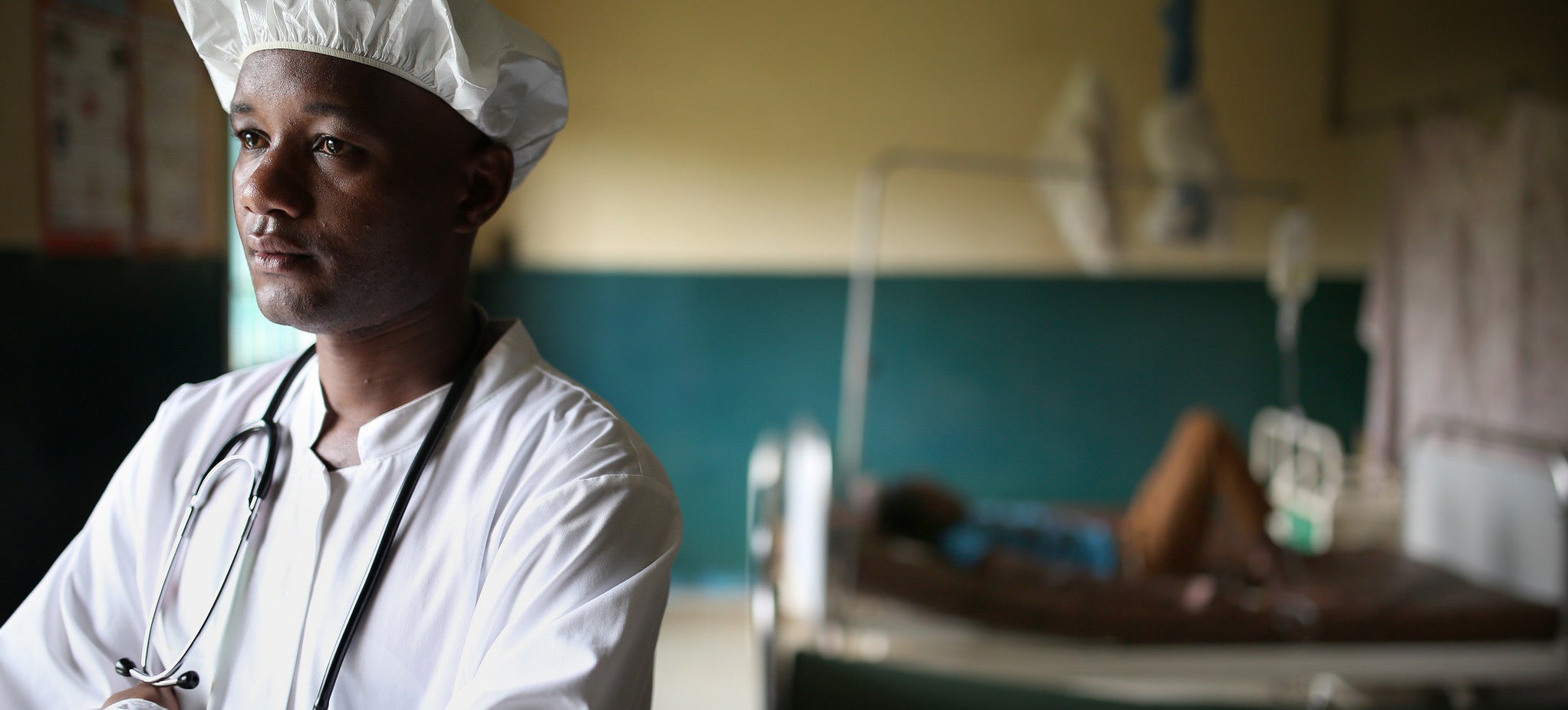
Very Low Income Households in Malawi Carry a Disproportionate Share of the Economic Burden of Malaria
Malaria takes an economic toll for several reasons. The cost of prevention and treatment as well as the wages lost due to illness greatly burden thousands of people. From a study about the economic impact of malaria in Malawian households, it was evident how disproportionately high the toll is on the poorest families. Stagnated economic growth and abject poverty are common in countries highly affected by malaria.
Tuesday, February 23, 2016
Cerebral Malaria: When it Goes Too Far
Malaria is diagnosed by looking for parasites in a drop of blood smeared on a slide under a microscope.
When I woke up in the middle of the night and proceeded to throw up every thirty minutes on the the minute, developing a high-grade fever and severe dehydration, it took no more than a finger prick and a look at the blood smear under a microscope to see the parasites in my blood. The diagnosis ranges from 1-5, 5 being the most severe and meaning that there were 5 parasites seen on the slide from a single drop of blood. Within 5 hours of showing symptoms, I had a blood smear, revealing level five. Immediately, I was given an IV to administer high dose anti-malaria drugs, anti-nausea, fever reducers and pain medicine. I was in good hands, and recovered fully in less than a week.
Rise in Immunity Spurs International Concern
"Malaria is still a devastating disease, with nearly 250 million cases and more than one million deaths every year. Mosquitoes have developed resistance to existing insecticides and there is evidence of emerging resistance by the parasite to the drugs used to treat the disease.”-Professor Steve Ward, Deputy Director, of LSTM reports

Monday, February 08, 2016
Staying Safe While in Danger
Before traveling to Africa for the
first time, my parents were very concerned about the risks of contracting
malaria and wanted to ensure our family’s safety. We asked for advice about how to prevent and treat malaria, and now I'm extending my recommendations, after years of travel experience.
- Prevent mosquito bites between dusk and dawn. This is when the mosquitoes that carry malaria bite. Stay inside, wear bug repellent (DEET), and sleep under a mosquito net.
- Take prophylactics: Doxycycline has fewer side effects than Malarone. Make sure to take the full course of the medication, starting before you travel and continuing well after your return.
- Take medicine with you. Depending on where you are traveling, it may be in short supply. Quinine and Coartem are pretty common and will be your best bets.
I've spent time in high-risk areas where malaria is extremely rampant. So much so, in fact, that I even contracted the disease myself, despite taking certain precautions. As I learned, hyper-attention to detail makes a huge difference. I got malaria when I was volunteering for a month at the Chitokiloki hospital in rural Zambia. This is arguably the best place to get sick, as there is readily available medicine as well as medical staff who treat the disease every day. The hospital is overflowing with malaria patients during the rainy season.
Amazingly, malaria is totally curable. You have to get to medication early, however, and this is one of the major challenges in rural areas, as it is modes of transportation are slow and unreliable.
Sunday, February 07, 2016
What is malaria?

Malaria is a disease that of the blood that is treatable but fatal if left untreated. Close to half the world's population is at risk of contracting the disease. There are many different malaria parasites. The most common type is called plasmodium falciparum, and it is transmitted by the female Anopheles mosquito. The mechanism of action is a parasite that requires both human and mosquito hosts to complete its life cycle. This life cycle begins when an infected mosquito bites a person, transferring the Plasmodium parasites, in the form of sporozoites, carried in the mosquito's saliva. Sporozoites then enter the human's liver cells. After a few days, the sporozoites become merozoites and penetrate the red blood cells (RBC). They then divide and, usually every 48 or 72 hours, break out of the cells, which lyses the RBC and allows some of the merozoites to infect other RBC and therefore spread throughout the body.
Not all of the merozoites infect more RBC, however. Some form gametocytes. These are critical, because they are picked up by the bite of an anopheles mosquito. The life cycle of the parasite is now continued inside of the mosquito. Gametocytes divide via meiosis to form the male and female gametes, which undergo fertilization. The zygote forms a cyst on the wall of the mosquito's gut and releases thousands of sporozoites. They migrate to the mosquito's salivary glands, ready to infect again.
Prevention a key component of combatting malaria. More to come on this topic.
Friday, February 05, 2016


Thursday, February 04, 2016
Malaria: A Huge Global Challenge. How will it be solved and how can you be involved?
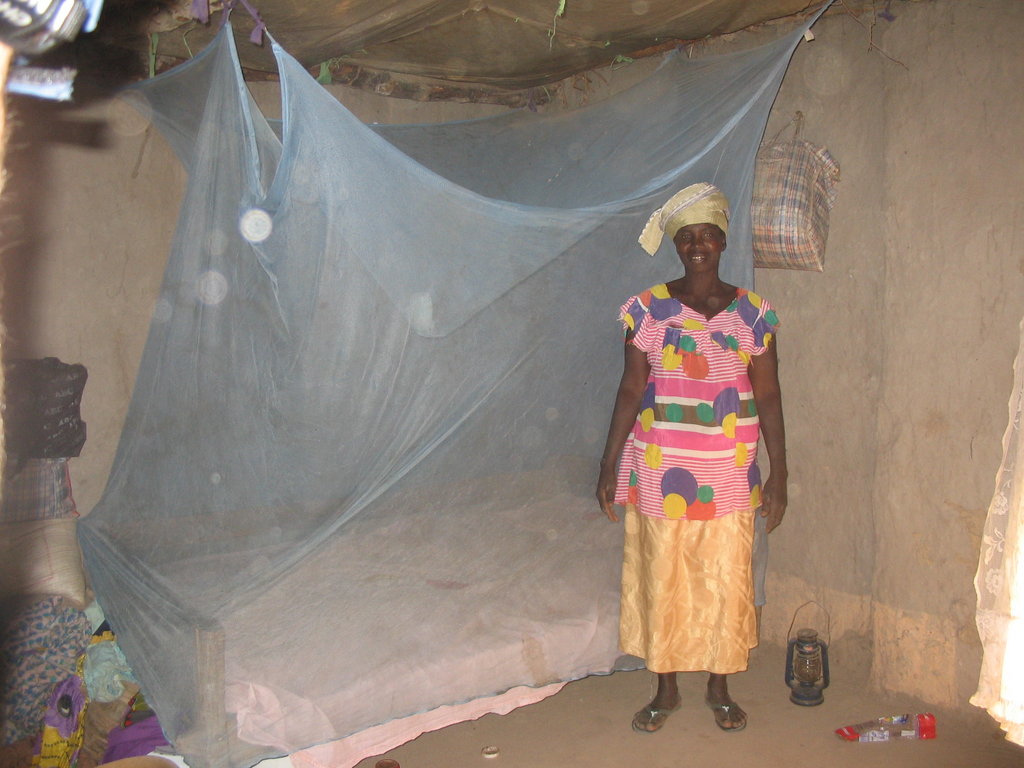
Thousands of visitors are exposed to malaria risk factors each year. Learn how to stay safe!
Are you looking to learn about the cutting edge research currently underway to combat malaria and wondering how scientists aim to eradicate it? Vaccine development, policy programs and treatment campaigns are of critical importance.
Are you in pursuit of information regarding the toll malaria has taken in over the years, not just on those who contract the disease but on economies, governments, and the global community? Statistics and numbers can ignite conversations and provoke action.
3.2 billion individuals are at risk of malaria. In 2015, sub-Saharan Africa saw 90% of malaria deaths. Over the last 15 years, the rate of new malaria cases decreased by 37% globally, and have halved for children under the age of 5.
Subscribe to:
Posts (Atom)